Swedish Academic Consortium on Chemical Safety
Research
Research within SWACCS Network
SWACCS vision of a chemical safe world:
includes all types of anthropogenic chemicals created, refined into, or transformed by the environment or biota.
relates to human and wildlife health and the sustainability of the abiotic environment.
includes all disciplines for the creation of a chemical-safe world: science, medicine, engineering, social science, law, and economics.
aims at effective collaboration between academic research and education on one side and societal sectors on the other.
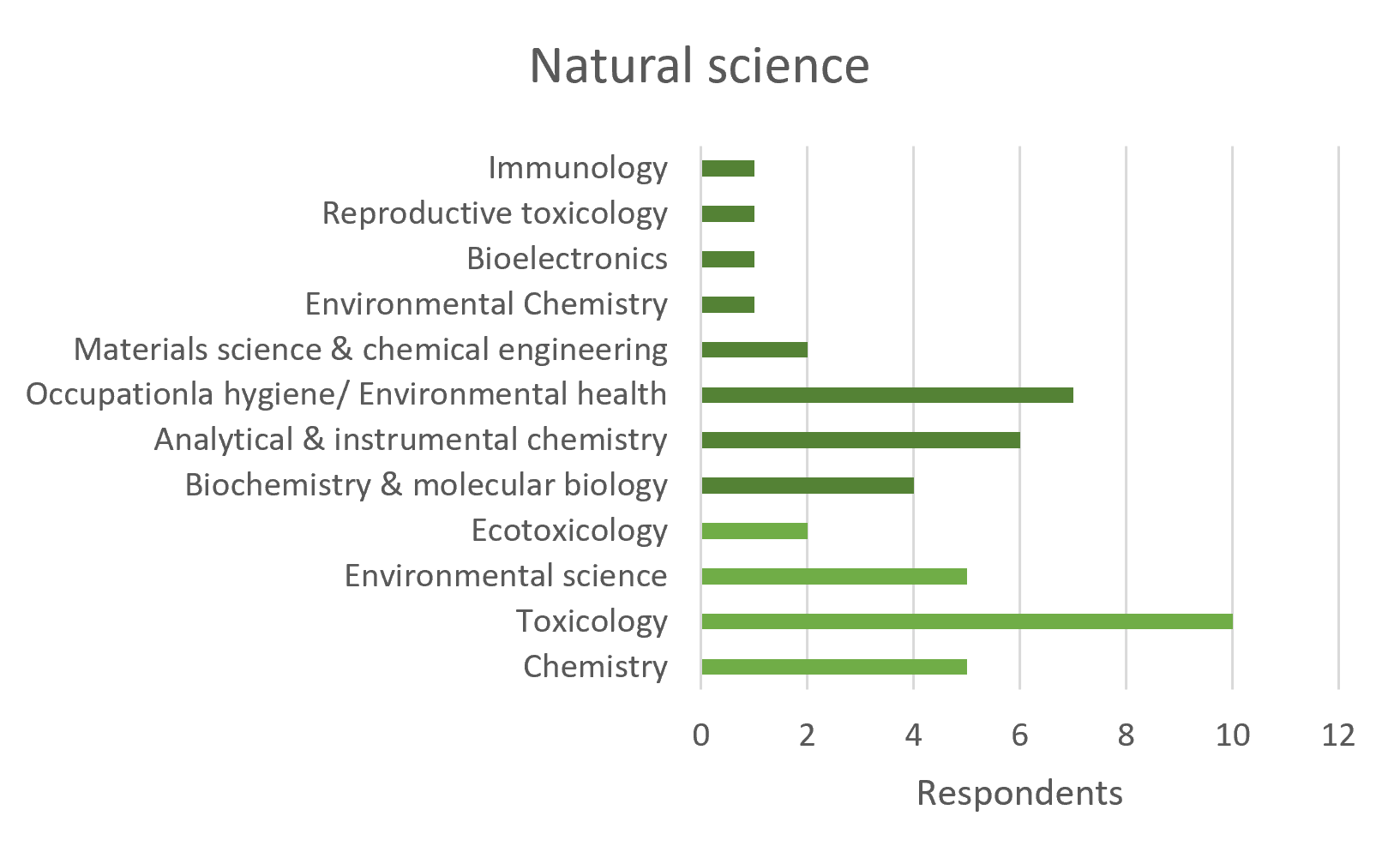
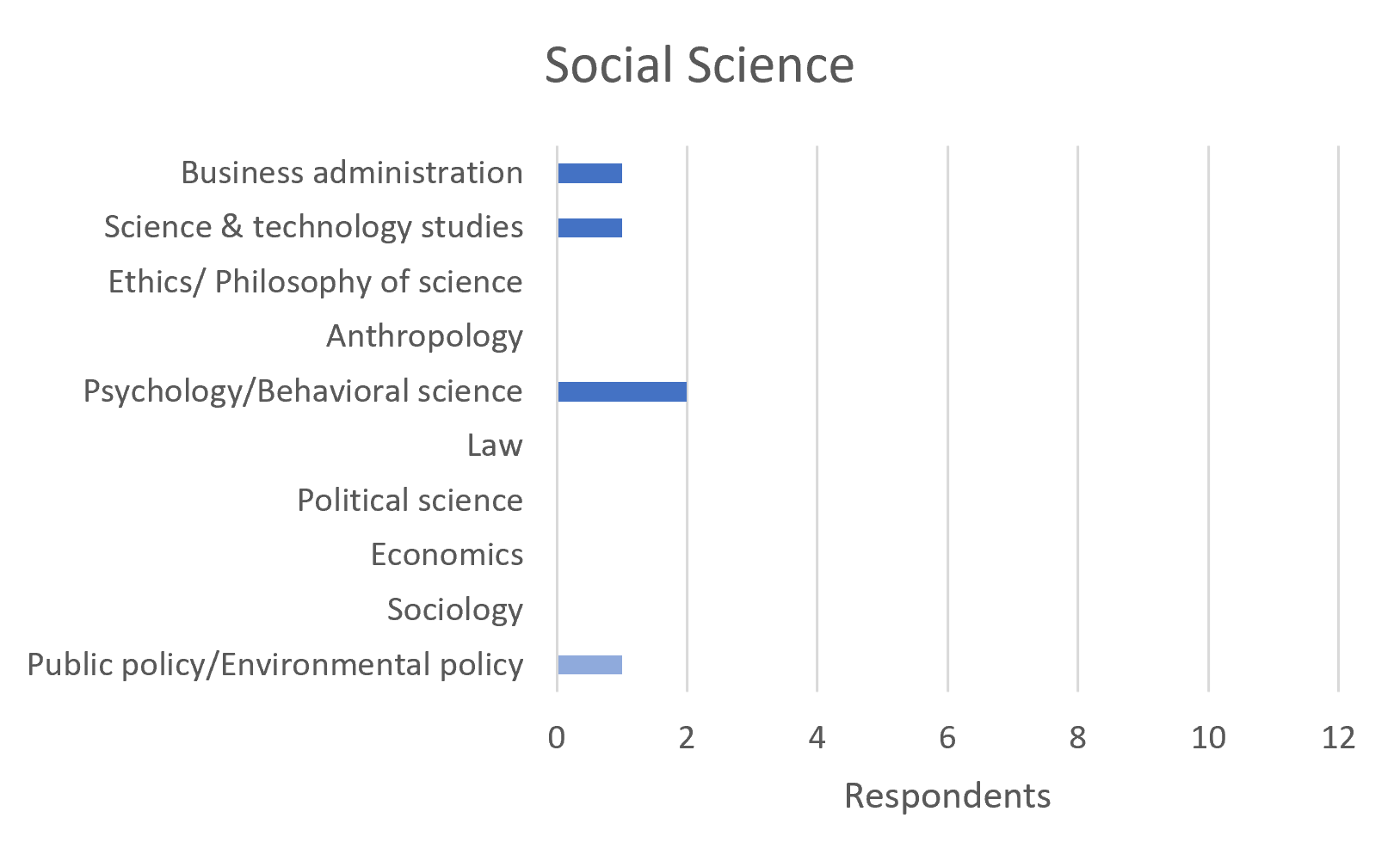
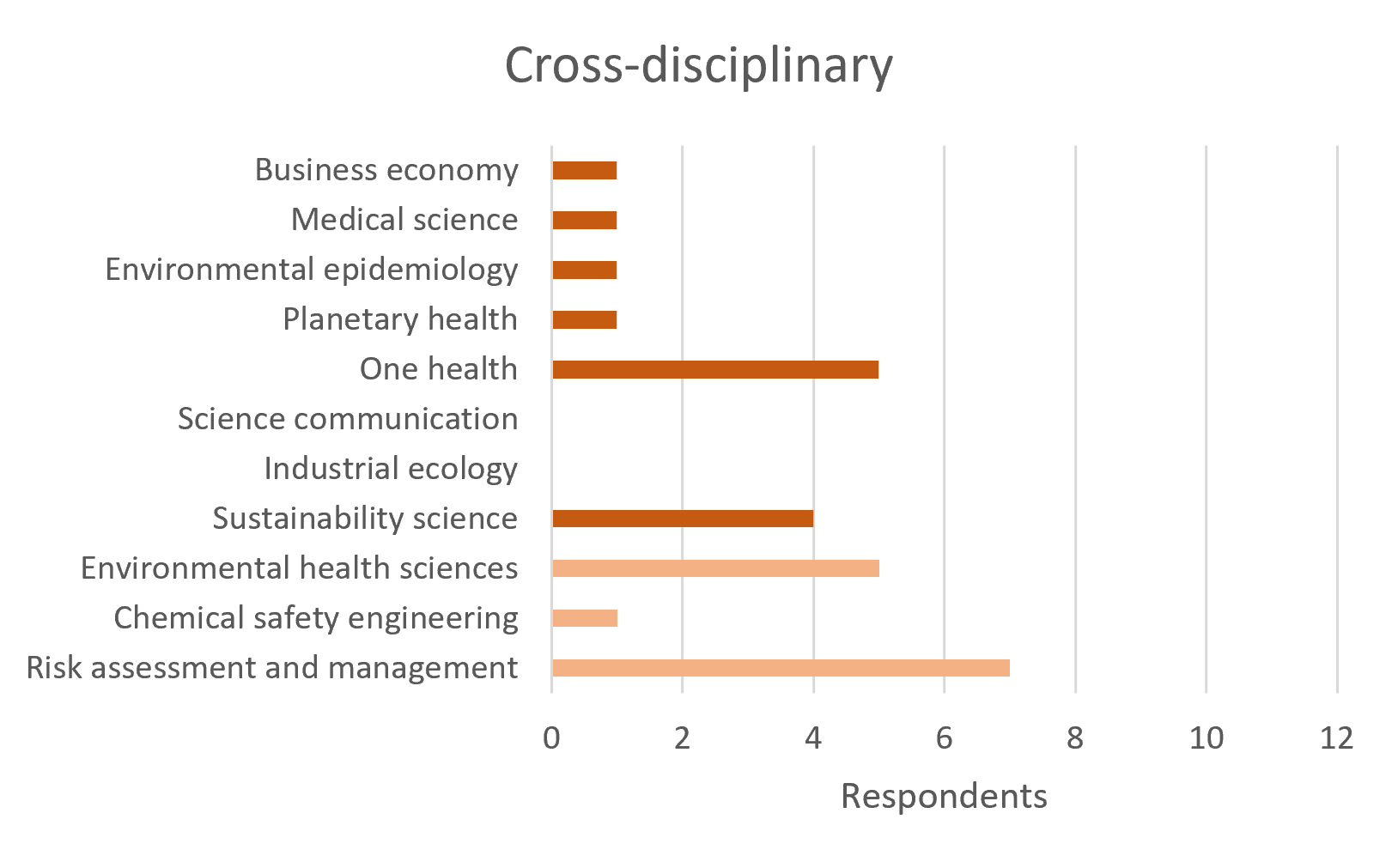
Research conducted by members of SWACCS is reflecting challenges raised within chemical safety. The network covers several disciplines, both within natural and social sciences. A survey was conducted in 2025, on research covered by the steering committee members and is presented in the figures on the right*. The vision of the network is to provide a platform to address current and emerging issues within chemical safety, often needing an interdisciplinary approach.
Activities within SWACCS aim to provide researchers, authorities, stakeholders and society in general with up-to-date scientific information, facilitating discussion in the form of seminar series, workshops, articles in journals and newspapers, and more. Members of the network are regularly informed about the activities via the mailing list and SWACCS LinkedIn wepage.
Are you interested to join SWACCS, follow us on LinkedIn and sign up here for the mailing list.
SWACCS was formerly known as Swetox from 2014-2018. To learn more about the achievements, click here.
All steering committee members where asked within which disciplines and fields they were conducting their research. The response rate was 68%. The options were listed with the help of ChatGPT (prompt: List all disciplines potentially addressing chemical safety, divided into natural and social science or other), with the option to add “Other”. The added options are marked with a brighter color.